
Genetic Technologies for Hemophilia
This information sheet is designed to help understand the similarities, differences, and current state of knowledge for the existing genetic
Year: 2006
Language: Vietnamese
Author(s): Kathy Mulder
Also Available In: English, Spanish, French, Arabic, Russian, Simplified Chinese
This is not an official WFH translation. This resource has been translated with permission by a WFH National Member Organization (NMO), and is shared here with their kind permission. Translating organizations are encouraged to have translations reviewed by local experts, the WFH is not responsible for the translation or for any errors or changes to content from the original English edition. Patient organizations interested in translating a WFH resource must first obtain permission from the WFH, available here.
This resource has also been translated into the following languages, with permission from the WFH, by NMOs: Amharic, Czech, Farsi, Japanese, Latvian, Lithuanian, Mongolian, Polish, Portuguese, Serbian, Traditional Chinese
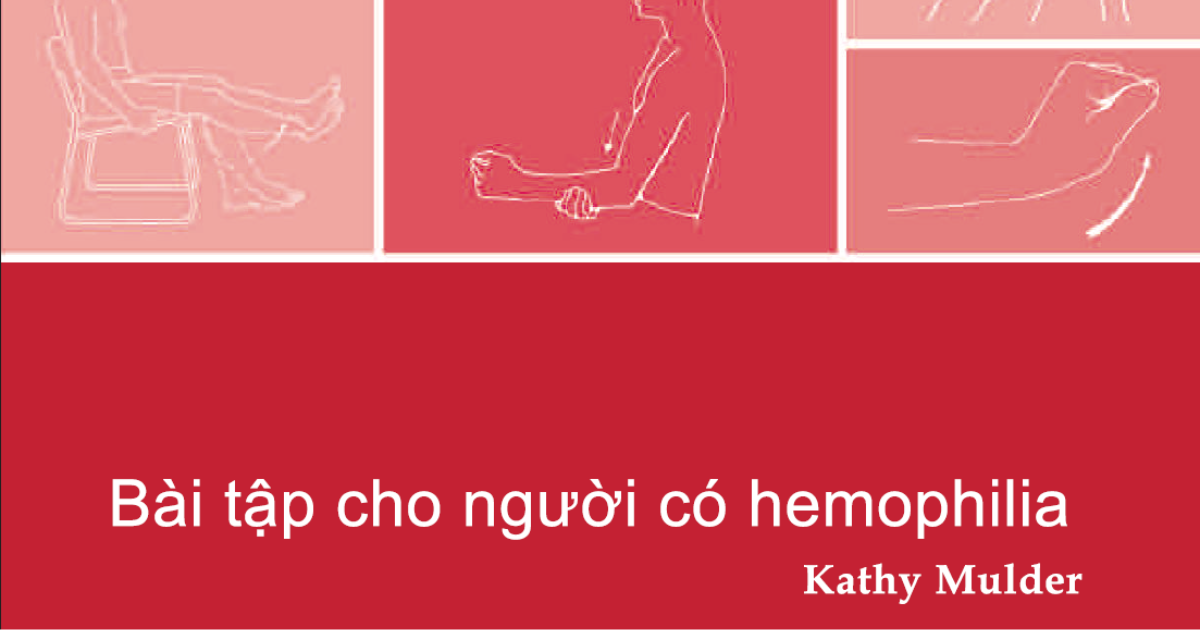
This illustrated guide includes a detailed description of exercises designed to counteract the long-term effects of joint and muscle bleeding and the tendency to develop abnormal postures.

This information sheet is designed to help understand the similarities, differences, and current state of knowledge for the existing genetic

The World Federation of Hemophilia (WFH) hosted an educational webinar titled “Progress toward a cure for hemophilia: gene editing explained”

A summary of discussions held at the Thirteenth WFH Global Forum on Research and Treatment Products for Bleeding Disorders which

A summary of discussions held at the Twelfth WFH Global Forum on Research and Treatment Products for Bleeding Disorders which

The 3rd edition of the WFH laboratory Manual is the definitive how-to guide for the accurate diagnosis of hemophilia and

The WFH Shared Decision Making (SDM) Workbook is for people with hemophilia A or B and their healthcare team. It