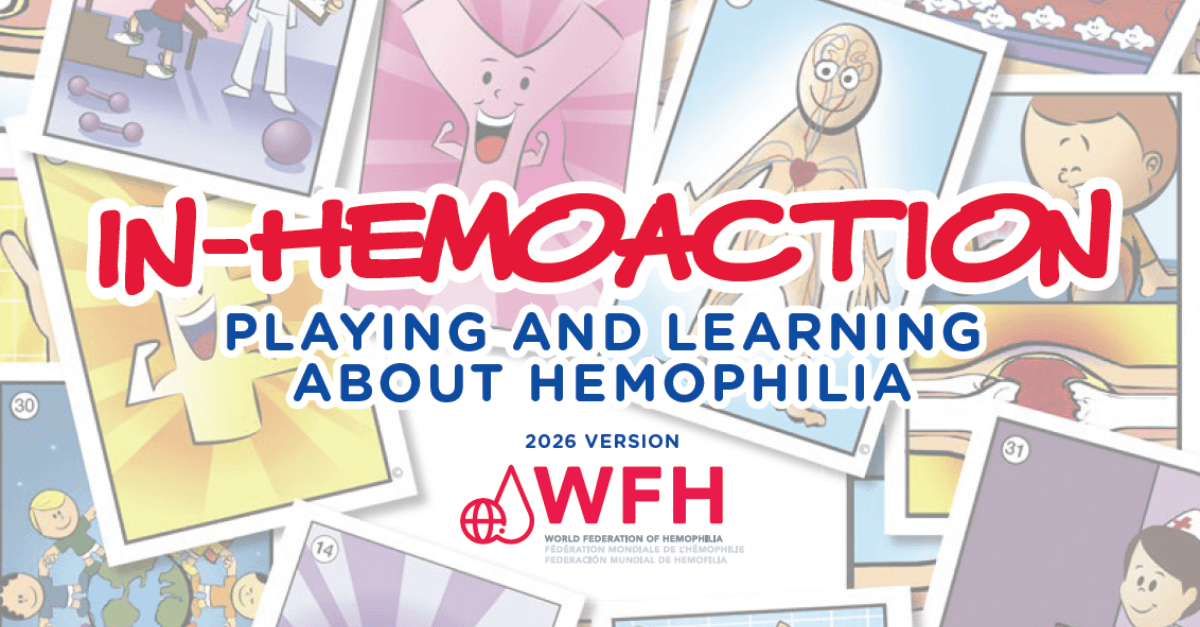
Interactive learning
In-Hemoaction card game
The 2026 version is available in: SpanishThe 2018 version booklet is available in: English, Arabic, French, Russian, Spanish, Simplified Chinese Using


The 2026 version is available in: SpanishThe 2018 version booklet is available in: English, Arabic, French, Russian, Spanish, Simplified Chinese Using
This booklet contains basic information about psychosocial aspects of rare coagulation factor deficiencies. This resource was developed by members of
This booklet contains basic information about psychosocial aspects of rare coagulation factor deficiencies. This resource was developed by members of
This booklet contains basic information about psychosocial aspects of rare coagulation factor deficiencies. This resource was developed by members of
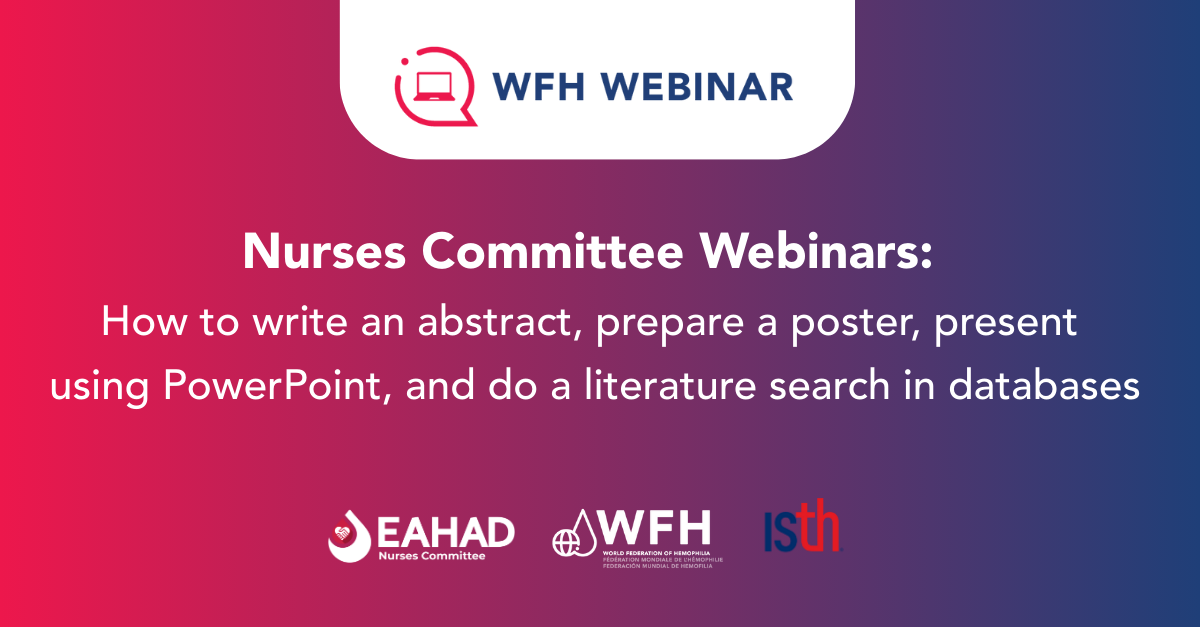
Welcome to this exciting project, a collaborative effort between the Nurses Committees of the European Association for Haemophilia and Allied
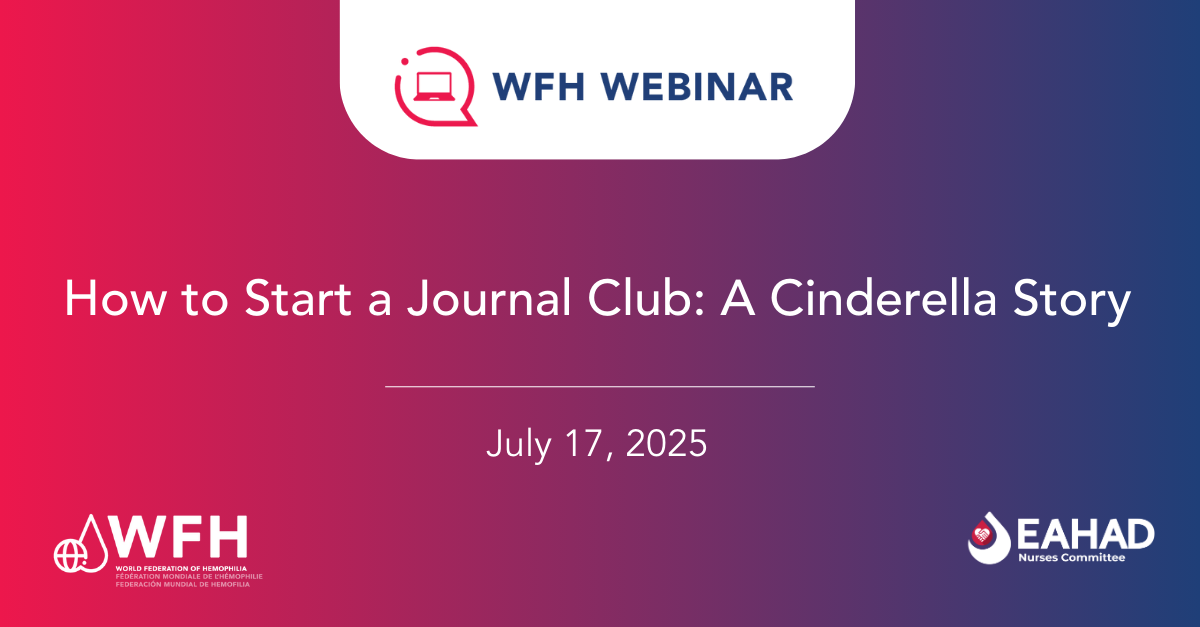
Welcome to this exciting webinar, a collaborative effort between the Nurses Committees of the European Association for Haemophilia and Allied