Documents and PDFs
Inhibitors in Hemophilia: A Primer
This resource has also been translated into the following languages, with permission from the WFH, by NMOs: Traditional Chinese Inhibitors


This resource has also been translated into the following languages, with permission from the WFH, by NMOs: Traditional Chinese Inhibitors
The accurate diagnosis of von Willebrand disease (VWD) is crucial to its management. This resource describes laboratory tests based on
The accurate diagnosis of von Willebrand disease (VWD) is crucial to its management. This resource describes the techniques used to
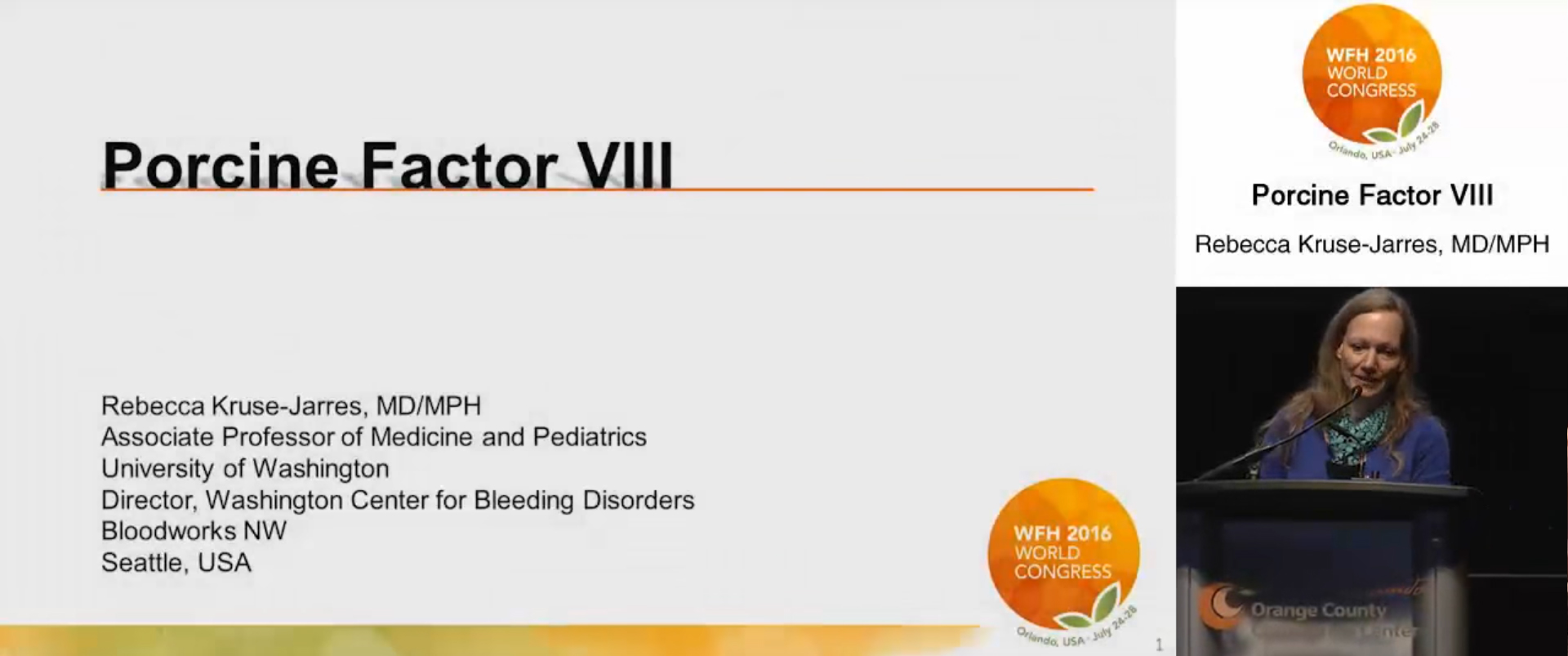
In the Monday afternoon session on alternative therapies in the management of inhibitors, Rebecca Kruse-Jarres discusses the latest developments in

In the Monday afternoon session on alternative therapies in the management of inhibitors, David Lillicrap explores the mechanisms of tolerance
Genetic counselling constitutes an integral part of the comprehensive hemophilia care team providing people with hemophilia, and their families, clinical